


The fatal meningitis outbreak linked to a Canterbury nightclub has passed its peak, health officials have said, but warnings remain that new cases could still emerge across the country.
The UK Health Security Agency said a total of 29 confirmed or suspected cases have been connected to the outbreak in Kent. This includes 20 confirmed infections and nine suspected cases following further testing.
Two young people have died, 18-year-old sixth former Juliette Kenny from Faversham and a 21-year-old University of Kent student, sending shockwaves through the local community.
Peak has passed, but vigilance continues
Trish Mannes, a regional deputy director at the UK Health Security Agency, said the situation had stabilised.
She said the peak of the outbreak had “absolutely” passed, but cautioned that officials were continuing to monitor the situation closely.
Health chiefs have warned that more cases could still be identified as the incubation period for meningitis means symptoms may take time to appear.
Officials also confirmed that case numbers were revised down slightly after additional laboratory testing ruled out some earlier suspected infections.
Nightclub linked to rapid spread
The outbreak is believed to have originated from an event at the Club Chemistry nightclub in Canterbury earlier this month.
Authorities say the majority of cases have been traced back to that single setting, where close contact between large numbers of people likely allowed the infection to spread quickly.
The venue remains closed while investigations continue.
Students shaken as campus life disrupted
The outbreak has had a significant impact on students at the University of Kent, particularly during an already stressful assessment period.
Lecturer Kate Bradley said the situation had been extremely difficult for many.
She said some students were grieving, others had friends in hospital, and many were anxious about their own health.
Despite the fear, some students say they are beginning to feel more reassured as the situation stabilises and preventative measures take effect.
Mass vaccination and antibiotics rollout
Health authorities have launched a large-scale response in an effort to contain the outbreak.
More than 9,300 people have received vaccinations, while over 12,700 have been given preventative antibiotics.
Four clinics have been set up across Kent, including at the University of Kent sports centre, Kent and Canterbury Hospital, Vicarage Lane Clinic in Ashford, and Faversham Health Centre.
Officials say the need for these clinics is being reviewed on a daily basis. The situation is being closely monitored across the rest of the country.
Why young adults are vulnerable
The strain involved in the outbreak is Meningitis B, a serious form of bacterial meningitis.
Routine vaccination against MenB was only introduced in 2015, meaning many teenagers and young adults, including current university students, may not be protected.
Meningitis is an infection of the membranes surrounding the brain and spinal cord. Bacterial forms of the disease are rare but can be life threatening, with around one in ten cases proving fatal.
The infection is spread through close contact, including coughing, sneezing and saliva exchange, which makes environments such as universities particularly susceptible.
Cautious optimism from health officials
The UK Health Security Agency said it is hopeful that the number of people coming forward for vaccination and antibiotics will be enough to contain the spread linked to this incident.
Most cases identified so far appear to be connected to the original exposure.
However, officials remain on alert, particularly as students have now travelled home following the end of term, raising concerns about possible wider transmission.
Health Secretary Wes Streeting praised the efforts of those responding to the outbreak, describing their work as “Herculean”.
Urgent warning over symptoms
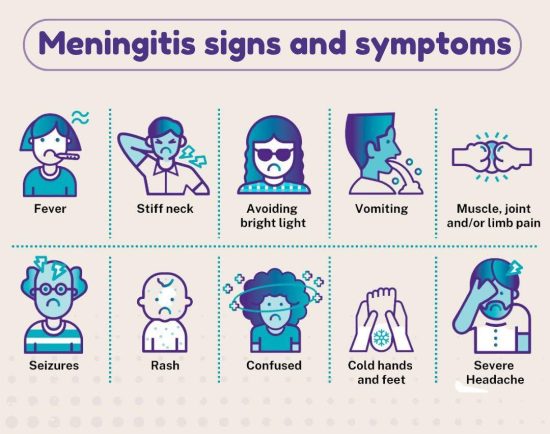
Health experts continue to stress that meningitis can develop rapidly and become life threatening within hours.
Symptoms can initially resemble flu, but anyone who becomes seriously unwell should seek urgent medical attention.
Early treatment is critical and can save lives.
The NHS says the overall risk of Meningitis B (MenB) to people outside the Kent area remains low.
If you have symptoms of meningitis, call 999 or go to A&E straight away. If someone goes to bed unwell, check on them regularly.
Find out more about the Meningitis outbreak from the UK Health Security Agency (UKHSA)
Main Image: For illustration purposes only.