


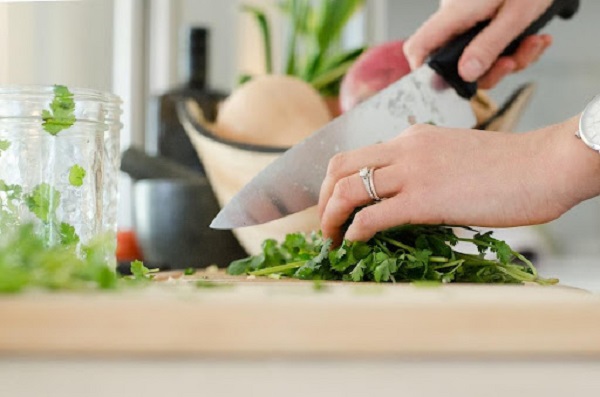
You don’t need to be a passionate cook to know that preparing dishes in your own kitchen is a complete sensory experience. Heading to the local market to shop for ingredients, the repetition of the motion of slicing and dicing them, the sound of dropping pasta into the bubbling water, and the smell that fills the kitchen when you bake something brings you closer to feeling satisfied and happy. Add your favourite music in the background or listen to a podcast, and you have just elevated the experience.
But does cooking at home boost your wellbeing? Can it improve your mental health and help you alleviate the mundane stress you’re facing daily?
Mental health specialists state that cooking can serve as therapy, and it goes by several names in mental health circles – culinary mindfulness, culinary therapy, and therapeutic cooking. Regardless of the name you use, cooking at home helps you improve your mental health because it’s an act of creative expression, mindfulness, and patience that can boost your self-esteem and help you strengthen your bond with your family and loved ones.
However, we shouldn’t treat cooking like a replacement for traditional therapy; suppose you’re dealing with complex mental health issues. Here is a list of science-backed benefits cooking has for your wellbeing.
Cooking requires you to exercise your creativity
Mixing ingredients and personalising recipes according to your personal preferences can have a positive effect on your mental health. According to a study from the Journal of Positive Psychology, if you engage in creative pursuits – from cooking to painting and writing poems – you can live a happier life than if you’d say skip to everything that requires you to adapt as you go.
When you cook at home, you can experiment with new ingredients, recipes and even create new dishes from scratch. Even if you’re starting with a recipe, you can swap the ingredients for healthier options and season the dishes differently every time.
Cooking stimulates your brain
As mentioned earlier, you can play with the ingredients and ways you cook dishes in the kitchen, which stimulates your brain. Suppose your daily activities imply repetitive tasks; cooking can give you some enjoyment because it requires using a part of your brain you don’t usually engage.
If you’re an overthinker, you’ll discover that preparing food helps you keep your mind busy and prevents it from wandering places. You can also learn new skills if you want to take the endeavour to new levels because you’ll need to gain new aptitudes. Not buying food or relying on someone to cook it gives you a sense of independence and prevents cognitive decline, especially if you’re a senior.
Cooking makes you feel more accomplished
When you cook at home for yourself or your loved ones, you’re meeting one of your goals; you provide food. Mental health specialists state that this habit is part of the behavioural activation that alleviates anxiety and depression because it focuses on boosting your contact with a source of reward.
Additionally, engaging in an activity instead of laying on the sofa after work combats procrastination because it’s a goal-oriented behaviour. Therefore, home cooking has a positive outcome and makes you feel more accomplished.
Cooking helps you strengthen your bond with your loved ones
Cooking can be a group activity if you ask your family or friends to join you in preparing food. However, you must ensure that the kitchen accommodates all of you because the last thing you need is people crowded in a kitchen while the dishes are cooking on the stove. If you want to transform your kitchen into a socialising hub, you should rethink its design and purchase new furniture. You can find online kitchens for sale that feature wall-tall cabinets so you can maximise the floor space and welcome more people into the kitchen.
Cooking can help you create a stronger bond with your partner because it’s a meaningful and fulfilling act. Step outside your comfort zone and welcome a wider audience into the kitchen; you’ll most likely enjoy spending time with them.
Cooking can improve your relationship with food
Cooking your meals at home can positively impact your relationship with food, especially if you struggle with weight. Additionally, if you cook for your family, it can help your children think positively about food.
Most kids aren’t raised to develop social skills, so if you want to encourage them to be independent adults, you should spend more time in the kitchen. Teaching yourself to cook and welcoming your children into the kitchen will benefit your entire family.
Cooking improves your health
If you want to switch to a healthier diet, then cooking at home might help you. According to studies, people who cook their own meals tend to eat healthier than those who go out to eat because they control the ingredients they use. Losing weight is also easier when you prepare your meals because you can plan in advance what you eat, so you won’t have to deal with overeating due to hunger. A study from the Harvard T.H. Chan School of Public Health reveals that 95% of the serotonin your body produces is developed in your gastrointestinal tract, so there’s a direct connection between your mental and gut health.
Suppose you have a busy schedule; you might also go through your meals without thinking too much about what you put into your body, which can cause health issues. However, when you spend time cooking your food, there are higher chances of noticing the different flavours on your plate. You’re a part of the process from start to finish, so you decide what ingredients you use, how much you eat, and when you have your meals. Cooking will help you get in tune with your diet.
Cooking benefits your body and mind
The cumulative benefits of cooking at home are extraordinary. It’s the kind of activity that has numerous advantages for you and your loved ones, and you should dedicate more time to spending time in the kitchen.
kitchens for sale https://kitchenwarehouseltd.com/