


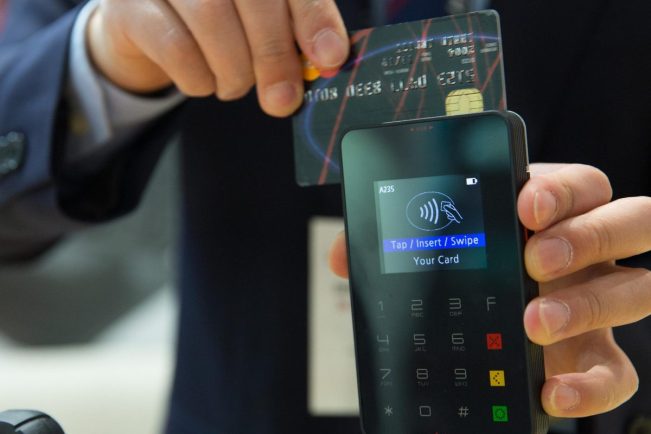
Walk down the high street in Droitwich on any given Saturday, and you will notice something that would have seemed unusual a decade ago. Many shoppers are not carrying a wallet at all. A phone, a watch, or a simple tap of a card is all that is needed to buy a coffee, pick up a birthday card, or grab lunch. The transition from cash to digital payment is already the reality that local traders are navigating every week.
For independent businesses in particular, adapting to this change is less straightforward than it might appear. Newer payment terminals, monthly software subscriptions, and the cost of processing card transactions all add up. Yet resisting the change risks losing customers who simply expect to pay digitally without a second thought.
Local traders feeling the shift from cash
Cafés, barbers, and independent retailers on Droitwich High Street have all felt this change more acutely over the past two years. Anecdotally, many traders report that requests to pay by cash are now a rarity, especially during weekday lunchtime trade. Some shops have quietly moved to card-only arrangements, while others still keep cash tills running.
The opening of the Droitwich Spa Banking Hub at Unit 6 St Andrews Shopping Centre has been welcomed by many of those traders. Many of whom still need somewhere to deposit takings or access basic banking services.
With traditional bank branches having closed across many Worcestershire towns, the hub provides a practical lifeline for small businesses that cannot operate purely in the digital space.
Why speed of payment now matters more
The expectation among shoppers is not simply that a card machine will be available, it is that the whole transaction will be fast. Consumers have been trained by digital services across many industries to expect immediate results. That impatience is now carrying over directly to the high street.
For example, many of the fastest paying casino sites in the UK now compete on the speed and flexibility of their payment systems. They offer options such as PayPal, Skrill, and open banking transfers that allow users to move funds quickly and with minimal friction.
The same can be seen in mainstream retail. Amazon UK supports multiple payment methods, including American Express and Pay by Bank, giving customers greater choice in how they complete purchases. Whether shopping online or on the high street, businesses that accommodate different payment preferences are often better positioned to meet consumer expectations.
According to UK Finance payment data, more than half of UK adults, 57%, were registered for at least one mobile wallet in 2024, up from 42% the year before.
That pace of adoption tells its own story. Droitwich traders who cannot accept Apple Pay or Google Pay are now in the minority in terms of consumer preference, even if they are not yet in the minority in terms of physical shop count.
What Droitwich shoppers expect at checkout
The expectation at the till has changed in two directions simultaneously. Speed matters, a payment that takes more than a few seconds to process feels slow by modern standards.
But convenience also matters in a broader sense. Shoppers want receipts by email, loyalty points synced automatically, and any refund to appear back in their account within hours rather than days.
Last year saw a significant milestone for contactless payments nationally. There were 18.9 billion contactless transactions recorded in 2024, accounting for around 61% of all UK card payments.
That figure illustrates just how deeply tap-to-pay has embedded itself in everyday retail behaviour, and it sets the baseline against which Droitwich businesses are inevitably measured, whether they like it or not.
Businesses weighing up digital transition costs
The financial side of going fully digital is not trivial for a small independent. Card processing fees, terminal rental, and the cost of upgrading older point-of-sale systems represent a real outlay.
Some traders choose to absorb these costs quietly. Others have introduced minimum spend requirements for card payments, though these can create friction at the till.
Mobile gambling already offers a useful window into where broader consumer expectations are heading.
For Droitwich businesses, the investment required to keep up with digital payment trends is a challenge, but the alternative, of lagging behind customer expectations, carries its own commercial cost.