


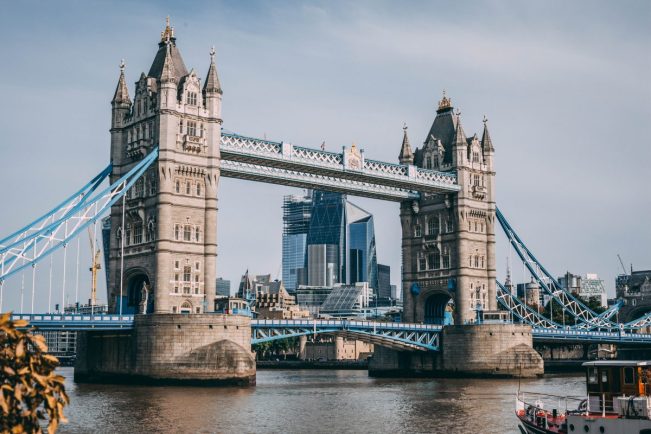
United Kingdom’s long history in commerce and finance makes it an ideal location for trading activities, from the bustling City of London streets to digital platforms today.
Thanks to TradingView and platforms such as these, traders now have access to tools and data necessary for informed trading decisions, including real-time market data analytics and social networking features for sharing strategies and insights among members of their trading communities.
As soon as one looks across Europe, they see an array of trading habits and preferences.
Countries like Germany, France and the Netherlands boast robust economies and trading ecosystems driven by strategic global positions.
Eurozone membership provides the ideal trading environment where cross-border transactions can be simplified significantly while reducing confusion regarding currency exchange issues.
Comparative Analysis Between UK and Europe
Volume and Value
London has long been considered an international financial centre, leading to significant Forex and equity trading volumes. European nations collectively handle substantial volumes, yet each may specialise in certain sectors or commodities.
Trading Platforms
As previously noted, British traders tend to favour platforms like TradingView for such financial activities; European traders might instead utilise local or global platforms tailored specifically for their region of residence.
Regulation Environment
Britain’s financial regulations have taken a different course since Brexit.
While this allows traders to manoeuvre the UK markets more easily, European nations fall under one regulatory umbrella offering advantages and restrictions when trading across international borders.
Innovation and Technology
UK and European nations have long been at the forefront of fintech innovations, using artificial intelligence-powered algorithms, blockchain technology, and other advanced strategies in their trading strategies.
Trading Instruments and Preferences
Let’s examine the instruments commonly utilised by traders.
Equities and Stocks
The London Stock Exchange (LSE) remains one of the world’s premier exchanges, drawing traders due to strong domestic market conditions as well as multinational corporation presence within Great Britain.
Meanwhile, other European nations like Germany and France possess notable stock exchanges such as Frankfurt Stock Exchange or Euronext Paris, respectively.
Forex
As one of the major world currencies, the British pound enjoys lively trading activity on both European and global Forex markets.
The UK’s forex market thrives as GBP trades against USD, EUR and other major world currencies. At the same time, European traders primarily rely on trading Euro as it remains popular within their continent.
Commodities
With its longstanding tradition in oil and precious metal trading, the UK enjoys significant activity within this sector.
European nations provide greater commodity trade offerings, including energy products, agricultural produce, and metals.
Analysing Sociopolitical Events and Their Potential Consequences
Brexit
Britain’s decision to exit the European Union immediately and profoundly affected trading relationships, initially creating uncertainty but eventually leading it on an independent course regarding trade agreements and regulations.
European nations initially felt threatened but have since adjusted to this change, with relationships gradually reforming.
Economic Policies
Since Brexit, Britain’s independent monetary and fiscal policies have allowed it to respond swiftly and nimbly to global economic challenges.
While European nations tend to benefit from collective decision-making processes, navigating across the different economic needs of member nations often proves challenging.
Technological Developments and Their Implications
Digital innovation has dramatically transformed global trade. Britain and European nations have quickly implemented these cutting-edge technologies.
Algorithmic trading has spread throughout European markets in the past two years, with countries like Germany and France becoming early adopters.
Blockchain and cryptocurrencies have also had a significant impact.
The UK boasts an expansive crypto market, with London emerging as an unofficial ‘crypto hub.
European nations, united in their approach, are working toward harmonised regulatory environments for cryptocurrencies.
Education and Training Play a Critical Role
Knowledge is power when it comes to trading; UK and European nations both recognise this fact and appreciate its significance for providing traders with essential skills and insights.
Trading Academies
The UK boasts some of the world’s premier trading academies and institutions, which provide courses ranging from novice-level trading to advanced strategies and risk management.
Countries like Switzerland and Netherlands also boast esteemed trading academies that reflect their rich trading histories.
Webinars and Online Platforms
With the digital era’s advancements, online platforms such as TradingView have emerged as key educational sources.
TradingView offers trading tools along with webinars, tutorials and forums, allowing traders to discuss ideas freely.
Cultural Factors Affect Economic Outcomes
Risk Appetite
Due to London’s entrepreneurial culture, British traders might exhibit more aggressive tendencies when searching for opportunities that offer higher returns than in Germany or Sweden, for instance.
Conversely, traders from these nations might take more of a cautious approach prioritising stability over short-term gains.
Trading Hours and Habits
Due to being close in terms of time zone with American markets, UK traders typically experience increased trading activity when London trading hours overlap with New York trading hours.
On the contrary, European traders may adopt different trading patterns due to being closer to Asian markets.
Collaborations and Partnerships
Collaborations are vitally important in today’s globalised environment because they allow companies to explore unchartered waters while opening doors for future growth and success.
Cross-Border Partnerships
Britain has actively sought trading partnerships outside Europe since Brexit.
This has resulted in collaborations with countries in Asia, Africa and the Americas; European nations are using their collective strength as part of the EU to form relationships with regional groups like ASEAN, adding new dynamics to trading environments.
FinTech Collaborations
The UK boasts one of the premier fintech sectors worldwide.
Partnerships between trading platforms and fintech startups have led to ground-breaking innovations that revolutionise trading experiences; European nations such as Berlin and Amsterdam also encourage collaborations beyond what was possible in trading previously.
Looking Forward: 2030
The trading landscape is set for a more significant transformation as we near the end of the first quarter of this century.
Britain will maintain its independence while European nations band together to face global challenges effectively.
Emerging technologies such as quantum computing and augmented reality could revolutionise this financial activity, forcing traders to remain agile, informed, and open for collaboration regardless of physical location.
At its core, trading’s future depends on an amalgamation of technology, strategy and human intuition.
While the UK and European nations chart different paths forward, global traders remain ready and able to adapt, innovate and flourish within an evolving trading community.