


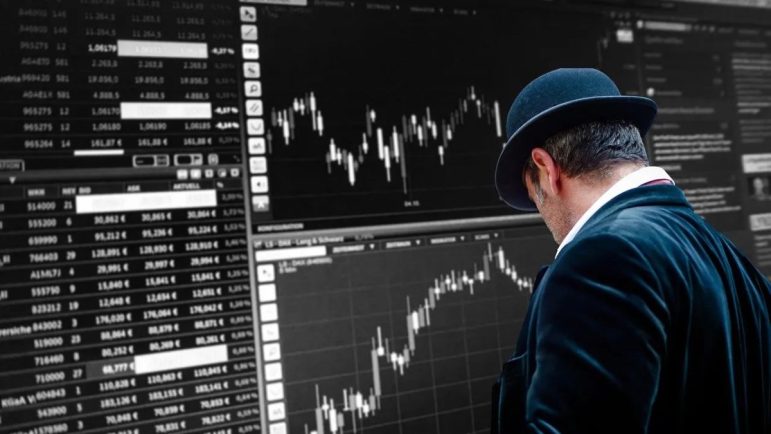
Global economic policies shape the world of finance. They influence markets and make waves for investors. But what happens when these policies shift?
2025 could be a year of big changes, and understanding the possible impacts is vital. Here’s what you need to know.
Policy Changes and Market Reactions
Economic policies can shake up the markets. Things like tax rates, interest rates, and regulations all have an impact. When these policies change, your investment strategy might need a tweak. For example, if governments push for green energy by offering incentives, renewable businesses could become the next big thing.
Knowing how to trade in a shifting market is key. Staying informed is a must, as policy changes can make certain sectors boom or bust. Reacting quickly could be the difference between making gains and taking losses.
The Role of Interest Rates
Interest rates are a key player in investments. Central banks set these rates to control inflation. When rates are low, borrowing becomes cheaper. This usually encourages spending and boosts stock markets. But when rates rise, the cost of borrowing increases.
For example, when inflation is high, banks might raise interest rates to keep it in check. This often leads investors to shift from stocks to bonds since higher rates make bonds more appealing. That’s why it’s important to pay attention to what central banks are doing— even small changes can have a big impact worldwide.
Currency Fluctuations
Currencies are tied to economic policies as well. Trade agreements, sanctions, or political moves can all change the value of currencies. For example, if a country enforces trade restrictions, its currency might weaken. This could make imports more expensive and affect businesses relying on foreign goods.
For investors, currency shifts are a big deal. When you’re investing internationally, the value of a currency can impact your returns. If the local currency is strong, it might cut into your profits when you convert it back. But if the currency weakens, it could actually boost your returns in some cases. That’s why it’s important to keep an eye on exchange rates and global events.
Tax Policy Shifts
Governments control tax policies, and they impact investments, too. Changes in capital gains tax, corporate tax, or dividend taxes affect how much money you take home. For example, if capital gains tax increases, selling assets might become less attractive. Investors might then hold onto their stocks for longer. Companies facing higher corporate taxes may see reduced earnings. This could lead to lower stock prices.
Tax incentives are another thing to keep in mind. Governments often use tax breaks to encourage investments in areas like housing, renewable energy, or tech. These moves can change how money flows in the market, so keeping an eye on them could help you fine-tune your strategy.
Trade and Global Supply Chains
Trade policies set the tone for international dealings. Tariffs, trade deals, and restrictions all come into play. If countries impose heavy tariffs, it might discourage imports. This could hurt businesses relying on foreign materials. Conversely, relaxed trade policies might boost cross-border exchanges.
Global supply chains also matter here. Disruptions can affect costs and profits. For instance, restrictions on certain goods might cause delays. This can lead to higher prices and affect company revenues. Investors need to understand how these issues play out. Certain sectors could be more at risk than others.
Climate Policies and Green Investments
Governments are focusing more on climate change. This drives policies toward sustainability. You might see stricter regulations on fossil fuels. At the same time, green energy projects could get a push. This shift creates opportunities in renewable energy, electric vehicles, and similar areas.
Investors have been paying attention to the rise of ESG (Environmental, Social, and Governance) factors. Companies with strong ESG profiles often attract funding. Watching climate policies can give insight into future market trends. Green investment is no longer niche; it’s becoming mainstream.
The Bottom Line
Global economic policies are always evolving. They influence everything from stock prices to currency rates. By 2025, we could see more changes that ripple through markets. Investors who understand the landscape will be better prepared.
Keep an eye on interest rate decisions. Follow climate policies and tax updates. Understand global trade and geopolitical risks. Small moves in policy can lead to big changes in the market. Adapt your strategies to keep up.
The key is staying flexible and informed. Being prepared for changes could help you make the most of future opportunities.
By Louis Wheeler.