


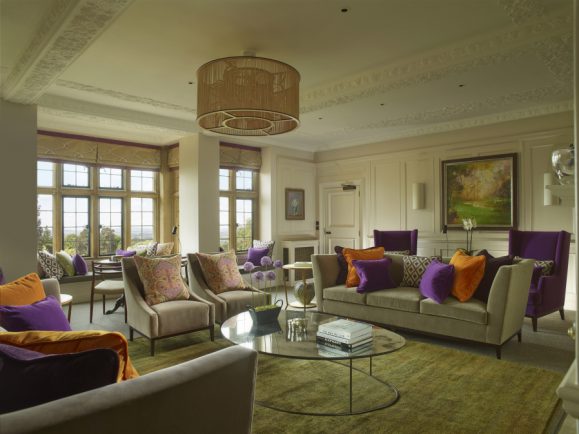
In today’s fast-paced world, the design of our living spaces plays a crucial role in our overall wellbeing. A thoughtfully designed home can foster positive habits, support mental health, and even assist in overcoming challenges such as alcohol withdrawal. According to recent data, 32% of UK men and 15% of women are excessive drinkers, highlighting the need for environments that encourage healthier choices. By creating a home that promotes wellbeing, we can reduce the risk of falling into bad habits and enhance our quality of life.
The Importance of Space and Layout
The layout of a home significantly influences how we interact with our environment. Open, airy spaces can promote feelings of freedom and relaxation, while cluttered areas can lead to stress and anxiety. An alcohol clinic can use this strategy to help further boost the patients chances of successful rehabilitation.
To design a home that supports wellbeing, consider the following:
1. Decluttering and Organising
A cluttered home can contribute to feelings of overwhelm and distraction. Regularly decluttering and organising your living space can create a calm and inviting atmosphere. Implement storage solutions that keep items out of sight, such as stylish baskets or built-in shelves. This not only enhances the aesthetic appeal but also encourages a sense of control and order.
2. Creating Zones for Different Activities
Designate specific areas for various activities to promote focus and mindfulness. For instance, create a reading nook with comfortable seating and good lighting to encourage relaxation and escape from digital distractions. Similarly, a dedicated workspace can help establish boundaries between work and leisure, reducing the temptation to overwork or procrastinate.
Incorporating Natural Elements
Bringing nature indoors can have a profound impact on mental health and wellbeing. Studies have shown that exposure to natural elements can reduce stress and improve mood. Here are some ways to incorporate nature into your home design:
1. Biophilic Design
Biophilic design focuses on integrating natural elements into the built environment. This can be achieved through large windows that allow natural light to flood in, indoor plants that improve air quality, and natural materials such as wood and stone. Consider adding a living wall or a small indoor garden to create a serene atmosphere that promotes relaxation.
2. Natural Light and Ventilation
Maximising natural light and ventilation is essential for creating a healthy home. Research indicates that exposure to natural light can enhance mood and productivity. Use sheer curtains or blinds that allow light to filter through while maintaining privacy. Additionally, ensure good airflow by opening windows whenever possible, which can help reduce indoor pollutants and create a fresher environment.
Mindful Technology Use
In our increasingly digital world, it is essential to design spaces that encourage mindful technology use. While technology can enhance our lives, excessive screen time can lead to negative habits. Here are some strategies to promote a healthier relationship with technology:
1. Designated Tech-Free Zones
Establishing tech-free zones in your home can encourage more meaningful interactions and reduce reliance on devices. For instance, make the dining area a place for family meals without screens. This fosters communication and connection, promoting healthier relationships and reducing the temptation to indulge in mindless scrolling.
2. Mindful Tech Integration
When incorporating technology into your home, consider how it can enhance wellbeing rather than detract from it. Smart home devices that monitor air quality or provide gentle reminders for hydration can support healthy habits. Additionally, using apps that promote mindfulness or meditation can encourage a positive mindset.
Creating a Supportive Environment
A home should be a sanctuary that supports both physical and mental health. Here are some elements to consider when designing a space that nurtures wellbeing:
1. Comfort and Aesthetics
Choose comfortable furniture and decor that reflect your personal style. Aesthetic elements, such as calming colours and soft textures, can create a soothing environment. Consider using a colour palette that includes soft blues, greens, and neutral tones, which are known to promote relaxation.
2. Incorporating Wellness Features
Integrating wellness features into your home can further enhance your wellbeing. Consider installing a water filtration system to encourage hydration, or adding a small exercise area to promote physical activity. Even simple changes, such as having a yoga mat readily available, can serve as a reminder to engage in healthy practices.
Designing a home that promotes wellbeing and discourages bad habits is an essential step towards a healthier lifestyle. By focusing on decluttering, incorporating natural elements, encouraging mindful technology use, and creating a supportive environment, individuals can foster a space that nurtures mental and physical health. With approximately 28% of adults in the UK engaging in harmful drinking patterns, it is vital to create a home that supports positive choices and aids in overcoming challenges such as alcohol withdrawal. Ultimately, a well-designed home can be a powerful ally in the pursuit of wellbeing, helping us to thrive in our daily lives.
Written by Christos Christophorou