


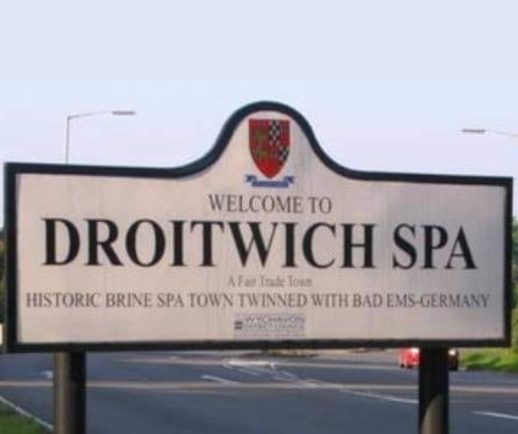
If you take a stroll through Vines Park on a crisp morning, it’s easy to get lost in the quiet reflection of the canal or the statue of St Richard. But have you ever stopped to wonder how these spaces actually stay so pristine? It isn’t just luck or a fresh coat of paint. Keeping Droitwich Spa’s historic charm alive usually comes down to a delicate balance: the loose change we spend at the corner shop on one hand, and the massive grants flowing into our community coffers on the other.
The Power of the High Street
Our local economy is the town’s lifeblood, plain and simple. When you pop into a local convenience store for a pint of milk or pick up a couple of scratchcards, you’re doing more than just ticking off a to-do list. You’re keeping the lights on for a neighbor’s business. These small, daily transactions ensure our high street remains a vibrant place to walk instead of just a row of empty shops.
The way we support “good causes” is shifting, though. While many still prefer the physical ritual of the local shop, digital fundraising has really started to gain ground. Whether it’s through online platforms or established digital lottery models like Lottoland, the way we chip in for charity is moving online, but the “lottery model” remains the clear favorite. It’s a simple concept that works: a small stake for the individual turns into a massive pool of cash for the community.
Where the Money Goes
In Worcestershire, the impact of grant funding—much of it coming from that “good causes” slice of national lottery proceeds—is visible everywhere if you know where to look. From the Droitwich Spa Football Club to the smaller cricket and bowling associations, these grants keep local sports clubs afloat. Without this injection of cash, many of the youth programs that keep our teenagers active would likely just vanish.
It isn’t just about sports, though. Our annual festivals, which bring that much-needed burst of color to the town center, rely on these funds to pay for everything from security to stage hire. Even the restoration of our salt-heritage buildings depends on these financial lifelines just to keep the doors open.
A Shifting Town Identity
While the financial impact of these grants is easy to track on paper, the cultural shift in Droitwich is best captured by those watching the town’s social scene evolve day by day. The word on the street is that our high street is finding its feet again, creating a “destination” vibe that blends our salt-town history with a genuine sense of local pride.
You can feel it in the air during the food festivals or the canal rallies. There is a sense that Droitwich isn’t just a “commuter town” anymore; it’s a place where people actually want to stick around on a Saturday. This renewed energy is visible in the unique local businesses popping up across the center, including several hidden gems in Droitwich Spa that prove the High Street is far from dead.
What do you think is the most important part of our town’s identity? Is it the parks, the historic salt heritage, or our local sports scene? We’d love to hear your thoughts in the comments below!
Written by Michael Cage