


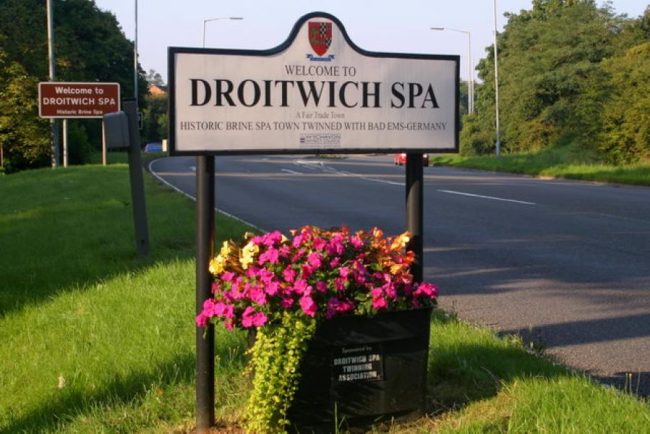
THE WAY people live and work has changed dramatically over the past few years, and it could be having a major impact on where people choose to move next.
With hybrid and remote working now becoming the norm for millions of workers across the UK, towns like Droitwich may be starting to attract more attention from people who previously felt tied to city living.
New research suggests that up to 44% of UK workers now work remotely or in hybrid roles, while around 40% of people work from home at least some of the time. At the same time, 46% of people say flexible working would make them consider moving to a more rural area.
For commuter towns across Worcestershire, that shift could become increasingly important.
Flexible working is changing moving trends
For decades, many people based their house moves around daily commuting routes and proximity to city centres. But hybrid working has changed the equation.
Instead of travelling into Birmingham five days a week, many workers now only commute once or twice weekly. For some households, that has opened the door to moving further out in exchange for more space, better value for money and a different lifestyle.
Research also found that 27% of UK workers say they have already left cities for more rural locations since flexible working became more common.
That trend appears to be creating new opportunities for towns like Droitwich, which offer rail links into Birmingham while also giving residents access to more green space and quieter surroundings.
Why towns like Droitwich appeal to commuters
Droitwich has long been seen as a convenient commuter location, but changing work habits may now be making places like it even more attractive.
For families especially, the appeal often comes down to lifestyle.
Instead of prioritising being as close as possible to an office, many buyers are now looking for larger homes, gardens, parking and access to schools or outdoor space.
Compared to city living, commuter towns can also offer a stronger sense of community and a slower pace of life, while still allowing residents to stay connected to major employment hubs like Birmingham and Worcester.
As property prices and rental costs continue rising in larger cities, affordability is also becoming a key factor behind relocation decisions.
Moving experts are seeing priorities shift
According to moving specialists at The Box Co., more people are now approaching house moves with different priorities than they did before the pandemic.
A spokesperson for the company said: “We’re definitely seeing more people looking beyond city living than we did a few years ago. A lot of clients are now prioritising things like space, community, greenery and a slightly slower pace of life, especially if they only need to commute a couple of days a week.
“Towns like Droitwich are attractive because they still offer good transport links into Birmingham, but people can often get more space for their money and enjoy a stronger sense of community.
“For families especially, flexible working has completely changed the conversation around moving house. It’s not always about being as close to the office as possible anymore.”
The company says many movers are now focusing more heavily on long-term lifestyle factors rather than purely commuting convenience.
Community and quality of life becoming more important
While city living still appeals to many younger professionals, there are signs that priorities are shifting for a growing number of households.
For some, remote working has highlighted how much time they actually spend at home, making home size and local surroundings more important than before.
Others are now considering whether paying a premium for city-centre living still makes sense if they are only travelling into the office occasionally.
This appears to be helping commuter towns and semi-rural locations gain popularity among buyers and renters looking for more balance.
The spokesperson from The Box Co. added: “People still want connectivity and convenience, but they also want somewhere that feels comfortable to actually live day-to-day. We’re seeing more movers trying to find that balance now.”
Could Worcestershire benefit from the trend?
Although it is difficult to predict exactly how the housing market will evolve over the next few years, many experts believe flexible working will continue influencing moving trends across the UK.
Areas that offer a combination of transport links, affordability and quality of life could be particularly well positioned.
For towns like Droitwich, that may mean increased interest from Birmingham commuters who no longer feel the need to live directly within the city itself.
As remote and hybrid working continue shaping everyday life, the definition of the “ideal commuter town” may also continue to evolve, and Worcestershire could stand to benefit from that shift.
Article written by Olivia Lison