


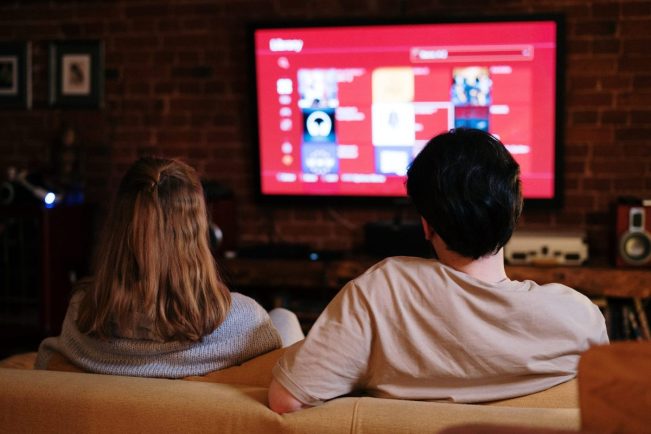
YOUR living room already works harder than any other space in your home. It’s where you host last-minute guests and have family catch-ups at the end of the day. As gaming and streaming bleed into everyday life, that same room can support far more than background television with small, considered changes. This lets you do things like browsing bingo promotions on a tablet while half-watching a show. When the room adapts to how you really unwind, entertainment feels natural rather than staged.
Create Zones That Add Variety to Your Space
Zoning a single room gives different activities their own visual cues. A sofa facing the main screen still anchors the room, yet a second seating option, such as a compact armchair or bench near a side table, creates a quieter corner for handheld gaming or mobile play.
Lighting helps define those boundaries without walls. A floor lamp behind the sofa sharpens focus for console gaming, while a softer lamp near a side seat suits slower-paced play or casual browsing. Start by shifting one existing chair and adding a small lamp to see how the room responds.
This approach also supports social gaming. Card games on a coffee table alongside someone using a controller nearby mean neither activity dominates the space. When each zone signals a purpose, the room feels calmer even when it hosts several forms of entertainment at once.
Incorporate Low-Key Digital Extras for Added Flexibility
Entertainment no longer demands a large screen or a full console setup. Compact devices keep things flexible without turning the room into a showroom full of flashing devices.
A tablet placed on a side table allows you to dip into light games or online platforms without claiming the main display. Wireless headphones make a similar difference by removing sound clashes and freeing you to engage fully without isolating yourself from the room.
The responsiveness allows you to move between activities based on mood rather than logistics. Incorporate one extra device at a time so the space evolves naturally instead of feeling cluttered.
Choose Simple Add-Ons That Make the Most of the Space
Comfort-driven accessories often deliver more value than expensive upgrades. A wider coffee table supports board games and drinks without constant rearranging. Storage that doubles as furniture, such as an ottoman, keeps cables and headsets accessible yet out of sight.
Also, acoustics help elevate your interiors. A rug softens sound and makes spoken dialogue clearer during games. Curtains perform a similar role while helping control glare from daylight on screens.
Choose one practical addition that solves an everyday annoyance and build from there. When the room removes small irritations, you stay engaged longer and switch activities less often out of frustration. Over time, those subtle choices turn an ordinary living room into a space that genuinely supports how you play. Personal touches also help the room feel more inviting during long evenings indoors. Framed posters, shelving with books or collectibles, and softer textures through cushions or throws can make entertainment spaces feel warmer and less clinical.
Article written by Jack Harris