


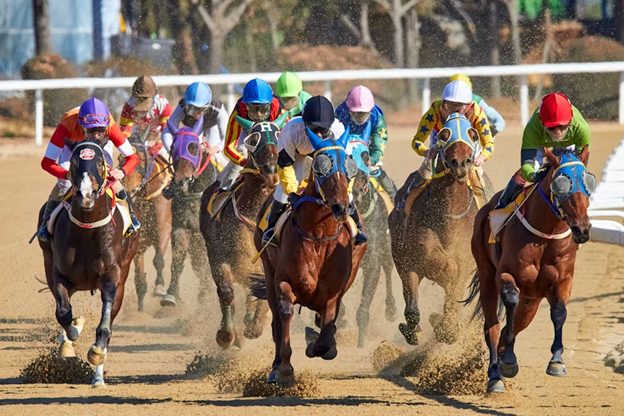
The Preakness Stakes rarely steps outside its traditions, which makes the 2026 edition stand out immediately. For longtime followers of the Triple Crown, with Pimlico Race Course undergoing renovation, the race shifts to Laurel Park for the first time.
That change doesn’t just alter the setting; it reshapes how the race is read by those following the betting markets. Patterns built around Pimlico no longer offer the same reference point, leaving this year’s Preakness open to a different kind of interpretation.
A New Setting, A Different Kind of Race
Laurel Park introduces a new framework for assessing the field. Its wider layout and longer stretch create a different rhythm, shifting how contenders are viewed before race day. What once felt familiar now calls for a more careful read.
Pimlico has long shaped expectations, with tighter turns and shorter finishes influencing how bettors read early positioning. That foundation doesn’t fully carry over here. Laurel softens those tendencies, creating a race that feels less compressed and more open as it unfolds.
Sustained movement begins to matter more than securing early position. Horses have more room to settle, adjust, and respond late. That shift changes how past performances are weighed, especially when comparing runners with different track profiles.
Subtle Changes in the Way Races Unfold
The way a race develops often shapes how the betting board evolves. Laurel Park’s configuration stretches out the action, particularly due to its longer homestretch and wider turns, making late movement more visible and, at times, more decisive.
That shift influences how running styles are viewed heading into the race. Horses with strong finishing ability draw more attention, while early speed alone carries less weight. Mid-race positioning becomes more meaningful as the race unfolds.
Familiar Preakness patterns no longer guide the same expectations at this temporary Laurel Park setting. Greater emphasis falls on adaptability, with horses that can adjust mid-race often standing out more than those reliant on a single approach.
A Market Still Finding Its Footing
Uncertainty tends to show up quickly in the betting markets, and this year’s Preakness reflects that. Without a clear historical template for Laurel Park hosting the race, early pricing feels more open, with fewer clear separators between contenders.
Tracking preakness stakes betting odds becomes especially useful here, combining pricing with key race insights. Odds movement reflects shifting perceptions as updates emerge from workouts, post positions, and race-day conditions.
Prices across the field tend to remain relatively tight, especially in this year’s open field, with attention spreading beyond the most recognizable names. The absence of a firm hierarchy makes it harder for a single narrative to take hold early.
Instead, the market develops gradually, often reacting to smaller details that gain importance closer to race day. Late adjustments carry more weight than usual, reflecting how opinions continue to evolve right up to post time.
Where Familiarity Begins to Matter More
Experience at Laurel Park ahead of this 2026 edition starts to play a larger role in how contenders are viewed. Horses that have trained or competed on the track bring a level of familiarity that can influence how they are positioned in the market.
Connections matter here as well. Trainers and jockeys with Laurel experience understand how the surface behaves in different conditions, and that familiarity can shape expectations, especially with horses arriving from varied circuits.
For bettors, this often shows up in subtle ways. Small, steady changes in odds can hint at that underlying confidence. Horses with local ties may draw steady interest rather than dramatic shifts, reflecting a quieter confidence in their ability to handle the setting.
Reading the Field Through a Different Lens
Breaking down the 2026 field calls for a slightly different approach than usual. Given Laurel’s wider layout and longer stretch, instead of leaning heavily on past Preakness results, attention shifts toward traits that align more naturally with Laurel Park.
Certain characteristics tend to stand out more in this context:
- Consistent finishing ability across recent races,
- Comfort maintaining pace through longer stretches,
- Workouts that suggest adaptability to different surfaces,
- Running styles that allow flexibility rather than reliance on one approach.
Post position also takes on a different tone. Wider draws, which might raise concerns elsewhere, feel less restrictive at Laurel. That nuance changes how certain contenders are viewed once the field is finalized.
Race Day Details That Could Tip the Balance
Race day often brings final adjustments, and Laurel Park adds a few variables that may shape those last impressions. A smaller crowd compared to Pimlico creates a quieter pre-race environment, which can influence how certain horses settle before the start.
Track conditions deserve attention throughout the day. Laurel’s surface can evolve as races are run, with shifts becoming clearer by watching earlier events on the card. Bettors often factor in those observations when interpreting how the main race might unfold.
Late changes on the betting board often reflect these real-time observations from earlier races on the card. Movement in the final minutes can signal how the day’s conditions are being read, offering another layer of context to pre-race analysis.
A One-Year Shift with Lasting Impact
The 2026 Preakness doesn’t follow the usual script, and that’s part of what makes it compelling. With bettors adjusting to a one-time venue change, expectations remain fluid. A new setting introduces fresh variables, encouraging a more flexible way of reading the race.
For those following the betting side, this edition is less about established patterns and more about reading the moment. The move to Laurel Park doesn’t rewrite the race, but it shifts enough to make familiar assumptions less certain and reshape this year’s approach.
*Content reflects information available as of 22/04/2026; subject to change