


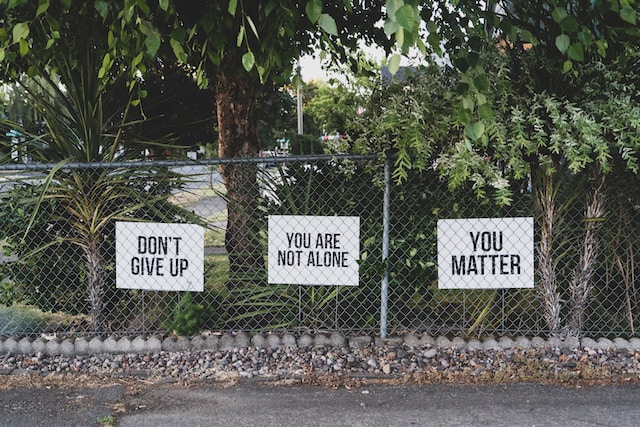
Mental health and mental well-being have never been more prevalent in our society, especially given the events of the last few years. Common illnesses such as anxiety and depression are widespread in various forms of severity in the UK and in the rest of the world, and less common issues like schizophrenia and bipolar disorder are still very common and disruptive in people’s lives.
However, despite more awareness of mental health than ever in the world we live in today, and more knowledge of how to treat and lessen the impact of mental illness, the problems don’t appear to be going away. Most treatments, even when people are willing to share their symptoms with their doctors, simply aren’t effective enough to solve the problem at hand.
At best they provide a band aid or a temporary solution, and at worst they don’t do anything or make the problem worse. So why is this occurring in the UK and around the world? Why can’t we just treat mental illness?
Long Waiting Times
The biggest roadblock for many mental illnesses is simply the lack of doctors and nurses who are available to treat them. While it is very easy to prescribe drugs and put patients through the behavioral health billing software, it is much harder to provide long term and proven care. Things like talk therapy take time for the therapists to be trained in, and while they are taking the time to train themselves, the line of patients who need them is going out the door.
There are countless mental and behavioral conditions out there in the world, and with so many people needing treatment, all of the doctors and nurses who can provide care are stretched thin. This means people are going without care and that is making their problems worse.
Poor Environments
Mental health can be heavily influenced by the environment you are in. If you are living in a deprived area or have a home life that increases feelings of stress, isolation, depression, and other negative emotions, then all the recovery in the world will constantly be fighting against your stifling environment.
Sadly, many of the people in the UK who are the most vulnerable to mental illnesses are in low income environments. They are constantly dealing with stress, bills, and all the negatives of where they live, and that is only increasing their mental health issues.
For the UK as well as for the rest of the world, many people who need recovery from mental illnesses also need help to get them out of their negative environments. Then, once they get into a positive environment, they will find that they fully benefit from recovery.
Treatment For The Patient, Not The Disease
Finally, even though many people might face the same mental illness, they will need different types of treatment in order to overcome it. However, many mental health professionals will paint everyone with the same brush and administer the same treatments, without realizing how they will affect people.
In order to get to the root of the many mental ailments plaguing people, it’s important to spend time with each person and understand the story behind their mental health issues. Then you can build a personalized cure plan for each patient and really get them dedicated help for their mental health.
Mental health in the UK and in the rest of the world is going to continue to remain a problem until we treat both the patient and the disease. By understanding why there are so few treatments for behavioral healthcare, we can work to increase both the amount and the effectiveness of how mental health is treated.