


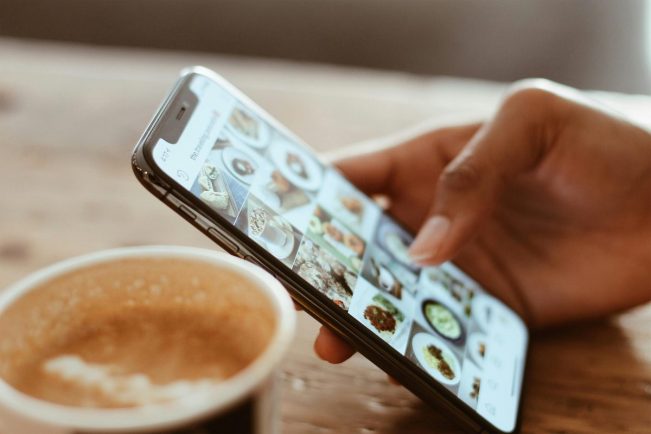
Life rarely gives us empty hours. It gives us slivers of time while the kettle boils or the ride-hailing app counts down. Micro-entertainment turns those slivers into small wins that reset the mind and lift the mood.
Why 10 Minutes Works
Ten minutes is long enough to feel progress yet short enough to start without friction. It suits the moments that already exist in a day: the queue at the pharmacy, the last minutes before a meeting, and much more. Digital entertainment thrives in these pockets because it loads fast and ends cleanly.
Think of a single round of a mobile game or a quick spin through a mini puzzle. In the same spirit, platforms in online gaming remove barriers so a brief break stays brief. The best crypto casinos no KYC let players create an account in seconds with only a username and password, after which they can dip into large game libraries, enjoy near-instant payouts in a range of crypto coins, and explore promotions like welcome offers, cashback, free spins, and VIP perks. The point is not excess; it is the lack of friction that lets a short break remain a short break.
Everyday Moments You Already Own
Most people underestimate how many ten-minute windows they have. Waiting for a colleague to join a call is one. The last stop on the bus route is another. Pair those moments with light, self-contained activities. The New York Times Mini crossword works because it ends before the kettle clicks. A tight, four-song playlist does the same: it is a complete mood shift you can finish between the till and the taxi.
Analogies help set the standard. A micro-activity is like an espresso, not a slow brew. It should be strong, short, and satisfying. If it drags, it stops being micro and starts being a chore.
Designing Your 10-Minute Menu
Curate a small rotation so you never spend your precious minutes deciding. Aim for three types: play, learn, and restore.
Play is a single round of something you can exit without penalty. Word games, a quick rhythm level, or a single match in a casual title fit well. Learn is one lesson on a language app or a two-paragraph newsletter you actually read. Restore is a brief breathing exercise, a micro-stretch, or a guided calm track set to end at the ten-minute mark.
Use visual cues to make starting easy. Put a “mini” folder on your phone’s first screen. Create a playlist labeled Ten Minutes. Save a set of five mobility moves in your notes. The less you think, the more you enjoy.
Guardrails That Keep It Joyful
Micro-entertainment should lighten the day, not leak into it. Set hard stops. Use timers or choose activities designed to end cleanly. If an app nags you past the finish, mute its notifications and reclaim your choice. Watch for small signals: eyes feel dry, the room feels noisy, your to-do list starts to itch. Those are signs to close the loop and step back into the day.
Treat ten minutes like a promise to your future self. You will return brighter if you leave on time. That discipline keeps micro-moments refreshing rather than draining.
Micro-Joys With a Human Touch
Not every quick win lives on a screen. Pop into a bookshop and read a single poem. Step outside and walk one block in a new direction. Swap a doom-scroll for a photo of something that made you smile and send it to a friend. Small, physical acts anchor the mind and balance the digital. A postcard says more in ten minutes than a feed says in an hour because it ends with a stamp and a smile.
Local rituals help too. The barista who knows your name, the street vendor with weekday jokes, the security guard who shares team scores. These micro-connections are entertainment in the classic sense: they hold our attention and return it warmer.
Conclusion
Micro-entertainment respects the day you already have. In ten minutes you can play, learn, or restore, then close the tab and carry on. Build a small menu, set clear guardrails, and favor activities that end cleanly. Do that and the minutes between work and errands will stop feeling lost. They will feel like yours.