

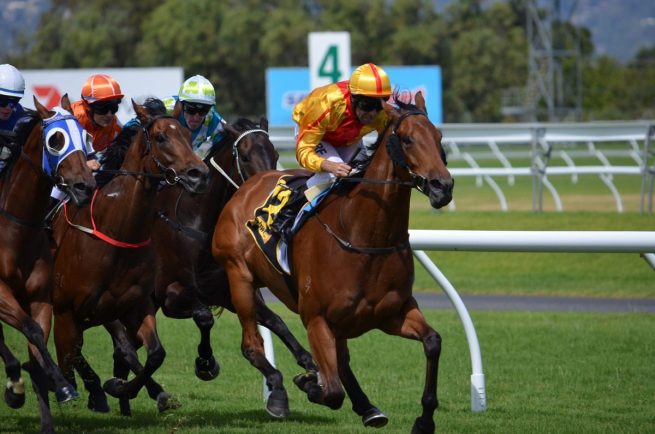
They play a big part in tactics, like deciding when to push the horse on, the route taken and when to ask for a response if the horse doesn’t seem to be pulling their weight.
But in a greyhound race, the dog is left to their own devices.
Once the race starts, there’s nothing at that point that can dictate tactics, and the closest help that the dogs can get on the race night is through their kennel handler.
One way or another, when analysing an upcoming race, seasoned punters aim to gain the maximum edge over the bookie. Newcomers, on the other hand, might jump on bet 10 get 20 offers, looking to place a tenner on a horse race and another on a dog race, hoping to win, of course. Should one pay attention to and analyse the impact of a particular jockey or kennel handler in both cases? Will it really help with the bets?
What Is a Kennel Handler?
Most people will be familiar with a jockey, but what about a kennel handler? These are attendees who assume the role of a trainer at a meeting. They essentially represent the dog trainer that they are working for, while at the racetrack.
That includes the transportation of the dogs to and from the race meeting, parading them, boxing them at the start of the race and even catching them afterwards. A good bond between the kennel handler and the dog can’t be understated as they will care for them, ensure they hit their training schedules and get social time with other dogs.
Kennel handlers essentially do a lot of work in the background to give the dogs all the care and attention they need to get ready for racing. A happy and healthy dog is going to have a lot more potential for producing better performances on the track.
The difference then between a kennel handler and a horse jockey is quite significant. The jockey may work with a horse to become familiar with it, but all the background support work is done by connections who take care of the horse.
Jockey and Handler Influences
Many punters study the form of a jockey in horse racing before betting on a top provider from a list of online bookmakers. But how do the influences of jockey and kennel handler compare?
Jockeys have their horse and race preferences, as some may excel at short 5f sprints, while others are better suited to the grind of 2m 4f National Hunt tests. Because they are responsible for the horse’s performance in a race, jockeys have a significant influence on betting options.
The leading racing jockeys tend to get the best rides and typically return a higher win percentage than others. If a horse has a champion jockey on their back, their chances should be improved compared to if they are carrying an amateur, and this is something that should be factored in.
In contrast, the influence by kennel handlers on betting is harder to gauge. The closest that punters can get is by looking for the form of the dog trainer, which incorporates all the work that the handlers do.
Understanding Form for Odds
On the surface, there may look to be many similarities between horse and greyhound racing. For greyhound betting, there are important stats that can help to lead you to the outcomes, such as reading sectionals to gauge the expectancy of a dog leading at the first bend, which can give a huge advantage in a race.
In greyhound racing, winning time is all that matters, as it determines the grade the dog races at. So studying the “expected times” of dogs can be a good starting point, but form can be more nuanced depending on the track conditions. The trap number the dog is in, the race distance and form from recent results are all other important factors to consider.
For horse racing, while the jockey steals the show and is important to consider for picking a runner, much like greyhound racing, there are other big areas of form to study, like course and distance results, distance performances, speed, ratings, time between races and ground conditions.
Kennel Handlers Key
Kennel handlers do a lot of the unsung work behind the scenes, as they follow a trainer’s instructions and try to give the dogs in their care, the best possible environment to thrive in. But they are out of the limelight, unlike horse racing jockeys, who are front and centre in terms of attention on race day.