


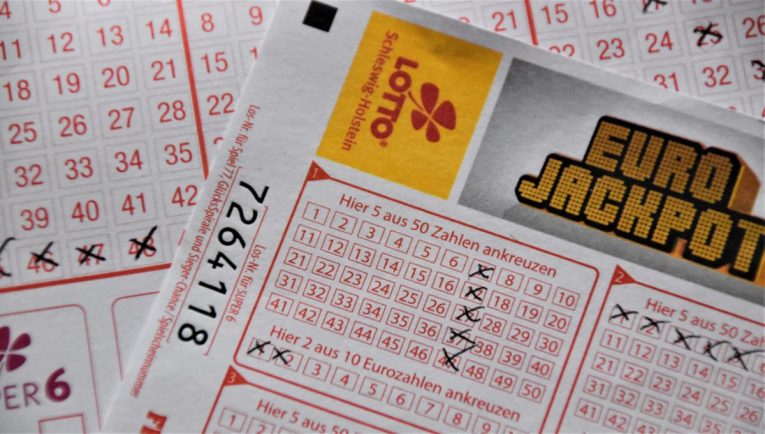
The UK Gambling Commission allows UK citizens to run different types of lotteries without a licence.
However, unlike lottery games found on online sites like Lottoland, you can’t access these lotteries’ results history since they are usually not documented.
After all, most are run to raise money for good courses or fun.
Most of the requirements for conducting them are the same but have a few key differences. This article reviews the differences in these lottery games to help you understand the rules.
1. Small society Lotteries
Small lotteries don’t require a UKGC licence to run. However, they must be registered with the local licensing authorities, particularly the local licensing council. The registration fee is usually £40.
Organisers are allowed to sell tickets to individuals aged 16 and above. Typically These tickets must cost the same price (not exceeding £25,000), have the society and organisers’ names, and the draw date.
You can only claim 80% of the ticket sales, and at least 20% of the proceeds should be allocated for good courses only but not for commercial purposes. These tickets can be sold door to door or online, but not in a street.
2. Customer Lotteries
Customer lotteries are non-profit draws that can only take place within the business’s premises or physical location, and only the business occupier can run them. Therefore, you can’t sell them online, via text message or in a different location. Besides, you can only advertise them on one premise.
The money collected must be used for running costs, including prizes.
The tickets must cost under £50, with the option of offering services as a prize.
Moreover, they must indicate the organiser’s name and address, price, and who can and can’t buy.
3. Private Society Lotteries
These types involve any membership club as long as they aren’t formed for gambling purposes. Before conducting a private society lottery, sweepstakes, raffle, or tombola, the club member must have permission first and sell tickets physically. Online sales are not permitted.
Participants can be society members or guests invited to that particular premises. The proceeds of the draw can only be used to cover the relevant cause or charity.
Society Members and non-members must buy tickets within the society’s premises. Typically, there are no specifications for what you must print on the tickets.
These tickets’ rights are non-transferable, and their prizes can’t roll over to other lotteries.
Similarly, the proceeds can only cover reasonable running costs and good courses. You cannot use them for profits or financial gain.
4. Work Lotteries
Work lotteries are similar to private society lotteries in that you can only run them in one physical location. The intention here must be to raise money for good causes or play for fun.
Similarly, the proceeds must be allocated to cover reasonable expenses, including prizes. All participants must work at the same physical location, and they can’t be run in more than one site, even if it’s across a chain of offices.
You can only provide physical tickets at work, so you can’t sell them online or over the phone. The price here must be the same for all tickets, and the proceeds cannot be used to make profits. The money claimed can only be used to cover reasonable costs.
5. Incidental Lotteries
Incidental lotteries occur at one-off events such as fairs, fetes, and festivals. This could be a raffle, sweepstakes, or tombola.
They can be run alongside a commercial or a non-commercial event, and the tickets can be sold to any attendee, including children.
The tickets must be sold physically, and you can’t sell them in advance. In this case, there’s no requirement as to what can be printed on them.
The best part is that there’s no limit on what you can charge per ticket. The donated prizes have no limit as well.
However, you can’t take more than £100 from its proceeds if you want to pay for running costs, and only a maximum of £500 can be used to cover the prizes.
The drawing usually happens during or after the event. However, ensure you inform the participants in advance when the results will be announced.
6. Residents’ Lotteries
The guidelines of residential lotteries allow people living together to run sweepstakes, lotteries, raffles, or tombolas without a licence. Similarly, the intention must be to collect money for good courses or play for fun. Otherwise, the proceeds can only be used to cover reasonable expenses and prizes.
In this case, all participants must be living in the same physical location, such as a house or apartment block. That means it can’t be run across different sites.
Anyone in that location can acquire the tickets, which must be provided physically. That means they can’t be sold online or over the phone.
And even though there are no printing requirements, all tickets must cost the same amount. Besides, the rights of each ticket are non-transferable, and the prizes can’t roll over to other draws.
Conclusion
As you can see from the above information, there are some rules that distinguish these lotteries. So ensure you follow all the requirements of each lottery game to comply with the UKGC law